
🌐 Data that helps you see the market
USD Macro Research
September 23, 2026 Β· Daily macro snapshot

What is happening
with the US dollar?

A daily macroeconomic brief covering Federal Reserve policy, inflation, labor-market data, Treasury yields, oil, equities and the US Dollar Index.

Overall USD bias
Bullish, but sensitive to oil and Fed repricing
The dollar is holding close to a two-month high after the Federal Reserve raised rates by 25 basis points last week. The 3.75–4.00% policy range, persistent inflation and further-hike risk are supporting US short-term yields and the dollar. DXY is around 100.56 in early September 23 trading. The main counterweight is the retreat in oil: Brent is back below $100 as markets assess improved Gulf supply and possible US-Iran diplomacy, reducing part of the inflation premium behind the recent USD rally.
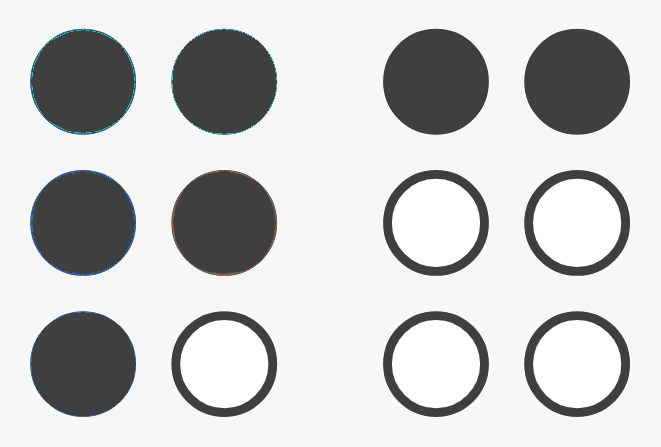
+3.5
Macro USD Score
scale: βˆ’5 to +5
Federal Reserve
↑ 3.75–4.00% after Sep. 16 hike
Treasury yields
↑ 2Y near 4.7% Β· 10Y near 4.9%
FX / Risk
↑ DXY around 100.56

Key indicators

Latest available readings as of September 23, 2026
Federal Funds Rate
Federal Reserve policy rate
TIGHTENING
3.75–4.00%
Last decisionSeptember 16, 2026
Change+25 bp
The FOMC unanimously raised the federal funds target range by 25 basis points to 3.75–4.00%. The Committee said economic activity is expanding at a solid pace and inflation remains elevated. Subsequent Fed commentary has kept the possibility of additional tightening alive if inflation does not cool sufficiently.
USD impact: Positive. The September hike and further-tightening risk preserve a favorable short-term rate backdrop for the dollar.
US Inflation
CPI Β· August 2026
ABOVE TARGET
3.4%
Monthly CPI+0.4%
Core CPI2.4% y/y
Headline CPI rose 0.4% in August and 3.4% over the previous 12 months. Core CPI increased 0.3% on the month and 2.4% year over year. Gasoline rose 3.9% in August and accounted for more than one third of the monthly headline increase. The next CPI report is scheduled for October 14.
USD impact: Positive overall. Inflation remains above the Fed's 2% objective, although falling oil prices could reduce near-term headline inflation pressure.
US Labor Market
Employment Situation Β· August 2026
RESILIENT
+162K payrolls
Unemployment4.1%
Wage growth+3.1% y/y
August nonfarm payrolls increased by 162,000 and unemployment remained at 4.1%. Average hourly earnings rose 0.3% during the month and 3.1% from a year earlier. The report reinforced the view that the Fed does not need to respond to a sharply deteriorating labor market.
USD impact: Positive. A resilient labor market gives the Fed more room to keep monetary policy restrictive while it focuses on inflation.
Brent Crude Oil
Global crude benchmark Β· Sep. 23 Asia trade
VOLATILE
~$98.16
Early Sep. 23βˆ’1.1%
Recent trend↓ six sessions
Brent extended its decline in early Wednesday trading as Saudi Arabia restarted operations at a critical pipeline and investors assessed prospects for a diplomatic path in the US-Iran conflict. The benchmark closed below $100 on Tuesday for the first time since September 8.
USD impact: Mixed. Lower oil reduces the inflation impulse that supports further Fed tightening, while easing energy stress can improve broader risk sentiment.
S&P 500
US equities Β· September 22 close
RESILIENT
7,764.64 flat
Latest closeSeptember 22
Nasdaqrecord close
The S&P 500 finished essentially unchanged on Tuesday while the Nasdaq reached a record closing high. AI-related optimism remained supportive, while investors continued to monitor oil, Treasury yields and Middle East diplomacy.
USD impact: Neutral. Strong equities reduce pure safe-haven demand for the dollar, while higher US rates continue to support the currency through yield differentials.
US Job Openings
JOLTS Β· latest published report
NEXT: SEP. 29
7.27M
ReferenceJuly 2026
Next releaseSeptember 29
The latest JOLTS reading showed roughly 7.27 million job openings. The August report on September 29 will be watched for confirmation that labor demand remains resilient after the stronger August payroll report.
USD impact: Potentially important. A firm openings number would reinforce the further-tightening narrative; a sharp decline would work in the opposite direction.

US Treasury Market

Latest completed September 22 session references
US 2-Year Treasury
~4.71–4.73%
Elevated

The 2-year yield remains elevated after the Fed's September hike. Short-dated yields are especially sensitive to expectations for another rate increase and remain an important source of USD support.

US 10-Year Treasury
~4.93%
Below recent 5% area

The 10-year yield eased as oil prices fell, after recently moving above 5%. Lower crude reduces part of the inflation premium, although the yield remains high enough to support the US rate advantage.

US Dollar Index

DXY Β· early September 23 trading
US Dollar Index
100.56
NEAR 2-MONTH HIGH
Current toneFirm
Main driverFed tightening expectations

The dollar index was around 100.56 in early Wednesday trading, close to its strongest level in two months. The recent wave of central-bank tightening and hawkish Fed rhetoric has shifted the FX discussion toward the possibility of additional rate increases. Falling oil prices are the main near-term complication because they can reduce inflation expectations and remove some pressure for further Fed action.

What to watch next

Key USD catalysts
September 23, 2026
Flash PMIs and Fed communication
Fresh activity indicators and Fed commentary can move expectations for the October meeting. Markets remain sensitive to evidence that services inflation and demand are too strong for the Fed to stop after September's hike.
September 24, 2026
Weekly jobless claims and US housing data
Claims provide a high-frequency check on labor-market resilience. Firm labor data would keep the Fed focused on inflation; material deterioration would challenge the current tightening narrative.
September 25, 2026
Durable goods and consumer sentiment
Markets will look for evidence that high borrowing costs are beginning to weaken business investment and household confidence.
September 29, 2026
JOLTS for August
Job openings will help determine whether August's stronger payroll report reflects persistent labor demand.
September 30, 2026
US GDP update and August PCE inflation
PCE inflation is the major scheduled month-end test after the September Fed hike. A firm report would reinforce further-tightening risk; a softer reading would reduce it.
Ongoing
Oil supply and US-Iran diplomacy
Brent has fallen below $100 as Gulf supply conditions improve and markets assess possible diplomatic progress. A sustained decline would reduce the inflation shock; renewed disruption could quickly reverse the move.

USD Macro Assessment

Fed raised rates to 3.75–4.00% β†’ USD supportive
The September 16 hike is now a confirmed policy decision, replacing the pre-meeting probability discussion in the previous version.
DXY near 100.56 β†’ momentum remains firm
The dollar is close to a two-month high as markets consider the possibility that the Fed may need to tighten again.
2-year Treasury near 4.7% β†’ USD yield support
Short-term US yields remain elevated and reflect a restrictive monetary-policy outlook.
August payrolls +162K β†’ labor market still resilient
Employment data do not currently signal an abrupt labor deterioration that would force the Fed to reverse course quickly.
Brent below $100 β†’ inflation impulse is easing
Improved Gulf supply and diplomatic hopes have pushed oil lower. If sustained, this could reduce the need for additional Fed tightening.
Bottom line: The macro balance remains USD supportive on September 23. The key change from the old template is that the September Fed hike is no longer a forecast: the FOMC has already raised the target range to 3.75–4.00%.

The dollar is around 100.56 on the DXY, near a two-month high, while short-term Treasury yields remain elevated. Together with resilient employment and inflation above the Fed's objective, those factors keep the US rate advantage supportive.

The main counterweight is oil. Brent has retreated below $100 as Gulf supply conditions improve and markets assess possible diplomatic progress. If that decline persists, it can reduce inflation expectations and the urgency for another Fed hike.

The next USD question is therefore whether incoming activity, labor and inflation data are strong enough to justify another increase at a future meeting.

Data Sources

Federal Reserve β€” September 16 FOMC policy decision and implementation note.
U.S. Bureau of Labor Statistics β€” August CPI and labor-market releases.
U.S. Treasury / market data β€” Treasury yield references.
Reuters β€” September 22–23 FX, equities, Treasury, oil and geopolitical market reporting.

Data status: This brief reflects the latest publicly available information checked on September 23, 2026. Intraday FX, Treasury and commodity prices can change materially during the trading session.
DestChart
info@destchart.com
x